

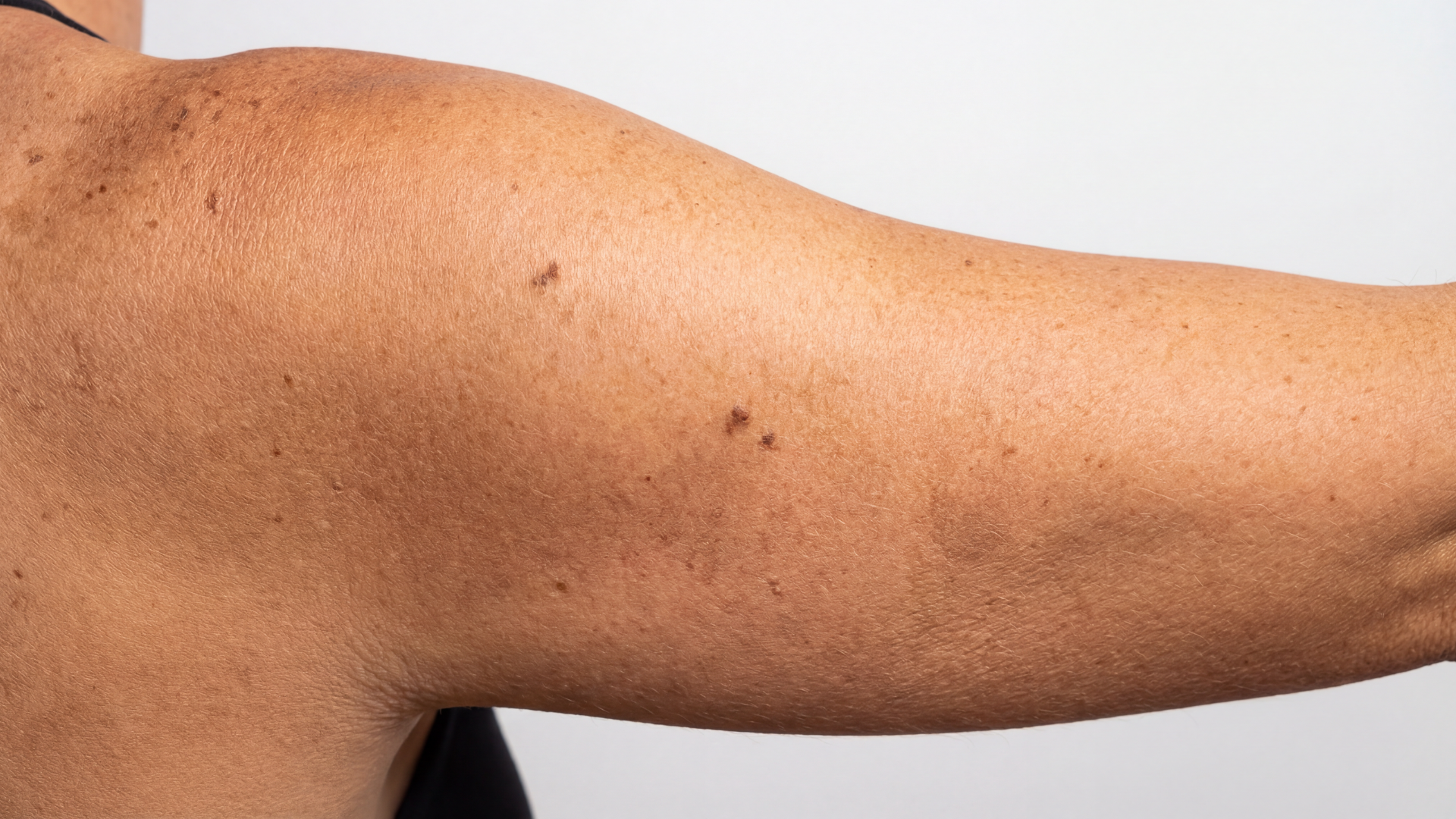
Choosing the right sunscreen isn’t just about SPF numbers. Your skin type plays a major role in how a sunscreen feels, how your skin reacts to it, and whether you’ll actually use it every day.
This guide explains how to choose a sunscreen based on your skin’s needs — with real examples — so sun protection becomes a consistent habit, not a struggle.
Why Skin Type Matters When Choosing Sunscreen
Dermatologists consistently emphasize that sunscreen is only effective when used daily and correctly. If a product feels heavy, irritating, or uncomfortable, many people stop using it altogether.
The American Academy of Dermatology states that the best sunscreen is one that fits your skin type and daily routine well enough to use consistently.
Source: https://www.aad.org/media/stats-sunscreen
Sunscreen for Dry or Dehydrated Skin
Dry or dehydrated skin often needs sun protection that hydrates while protecting.
What to look for:
- Hyaluronic acid to help retain moisture
- Lightweight but hydrating textures (gel, serum, essence)
- Broad-spectrum SPF50+ protection
Hyaluronic acid is well documented for improving skin hydration when applied topically.
Source: https://www.ncbi.nlm.nih.gov/pmc/articles/PMC3583886/
Relevant products
-
Isntree – Hyaluronic Acid Watery Sun Gel
A lightweight chemical sunscreen formulated with hyaluronic acid, designed to provide hydration while offering high SPF protection. Its gel texture makes it suitable for daily use without heaviness. -
SKIN1004 – Madagascar Centella Hyalu-Cica Water-Fit Sun Serum
A serum-like sunscreen that combines hydrating ingredients with Centella Asiatica, making it a common choice for dehydrated skin that still needs a breathable finish.
These types of formulas are often preferred by people whose skin feels tight or dry throughout the day.
Sunscreen for Oily or Combination Skin
Oily and combination skin types usually benefit from sunscreens that feel lightweight and fast-absorbing.
What to look for:
- Gel, essence, or fluid textures
- Chemical UV filters (often lighter on the skin)
- Non-greasy finish
According to the American Academy of Dermatology, lighter formulations can improve adherence for people who dislike heavier creams.
Source: https://www.aad.org/public/everyday-care/sun-protection/sunscreen-patients/choosing-sunscreen
Relevant products
-
SCINIC – Enjoy Super Mild Sun Essence
A lightweight chemical sunscreen with an essence-like texture, often chosen by people who want sun protection without shine or residue. -
SKIN1004 – Madagascar Centella Air-Fit Suncream Light
A lighter cream formulation designed to absorb easily, making it suitable for combination skin that needs balance rather than heavy occlusion.
These options are commonly used by people who struggle with sunscreen feeling “too much” during the day.
Sunscreen for Sensitive or Reactive Skin
Sensitive skin may react to fragrance, alcohol, or certain UV filters. In these cases, mineral sunscreens are often recommended.
What to look for:
Zinc oxide as the UV filter
Fragrance-free formulations
Minimal ingredient lists
Zinc oxide is recognized as a gentle and effective UV filter, especially for sensitive skin.
Source: https://www.fda.gov/drugs/over-counter-otc-drug-monograph-process/sunscreen-ingredients
Relevant product
-
haruharu wonder – Black Rice Pure Mineral Relief Daily Sunscreen
A mineral sunscreen formulated with zinc oxide and designed for sensitive skin. Its mineral base makes it a common choice for people who experience stinging or irritation with chemical sunscreens.
This type of sunscreen is often preferred by those with reactive, post-procedure, or easily irritated skin.
Sunscreen for Normal Skin
If your skin is generally balanced — not overly oily, dry, or sensitive — you have more flexibility.
What to focus on:
Texture preference
Finish (natural, dewy, or matte)
Comfort for daily use
Both chemical and mineral sunscreens are effective for normal skin when used correctly. Choosing the one you enjoy wearing most is often the best approach.
Chemical vs. Mineral: A Quick Reminder
Chemical sunscreens absorb UV rays and are often lighter and invisible on the skin
Mineral sunscreens reflect UV rays and are often chosen for sensitive skin
The American Academy of Dermatology confirms that both types are safe and effective when approved and used as directed.
Source: https://www.aad.org/public/everyday-care/sun-protection/sunscreen-patients/sunscreen-safety
Not Sure What Your Skin Type Is?
Many people are unsure whether their skin is truly dry, oily, sensitive, or a combination — and skin can change over time due to weather, age, or lifestyle.
AI-based skin analysis tools can provide general insights into visible skin characteristics, helping guide sunscreen selection. While not a medical diagnosis, they can be a useful starting point for understanding your skin’s needs.
Key Takeaway
Choosing the right sunscreen is about finding a formula that:
- suits your skin type,
- feels comfortable enough to use daily,
- and provides reliable broad-spectrum protection.
Daily sunscreen use is one of the most effective ways to support long-term skin health — and the best sunscreen is always the one you’ll actually use.
Sources (verifiable)
- American Academy of Dermatology – Sunscreen guidance
https://www.aad.org/media/stats-sunscreen
https://www.aad.org/public/everyday-care/sun-protection/sunscreen-patients/choosing-sunscreen
https://www.aad.org/public/everyday-care/sun-protection/sunscreen-patients/sunscreen-safety - National Institutes of Health – Hyaluronic Acid
https://www.ncbi.nlm.nih.gov/pmc/articles/PMC3583886/ - National Institutes of Health – Centella Asiatica
https://www.ncbi.nlm.nih.gov/pmc/articles/PMC5452224/ - U.S. Food & Drug Administration – Sunscreen ingredients
https://www.fda.gov/drugs/over-counter-otc-drug-monograph-process/sunscreen-ingredients
Share:
Chemical vs. Mineral Sunscreen: Which One Is Right for Your Skin?
Sun Damage and Melanoma: Why Daily Sunscreen Matters More Than Ever